Long-standing Chicken Rice Stall in Kajang Maintains Affordable Prices Amid Rising Costs
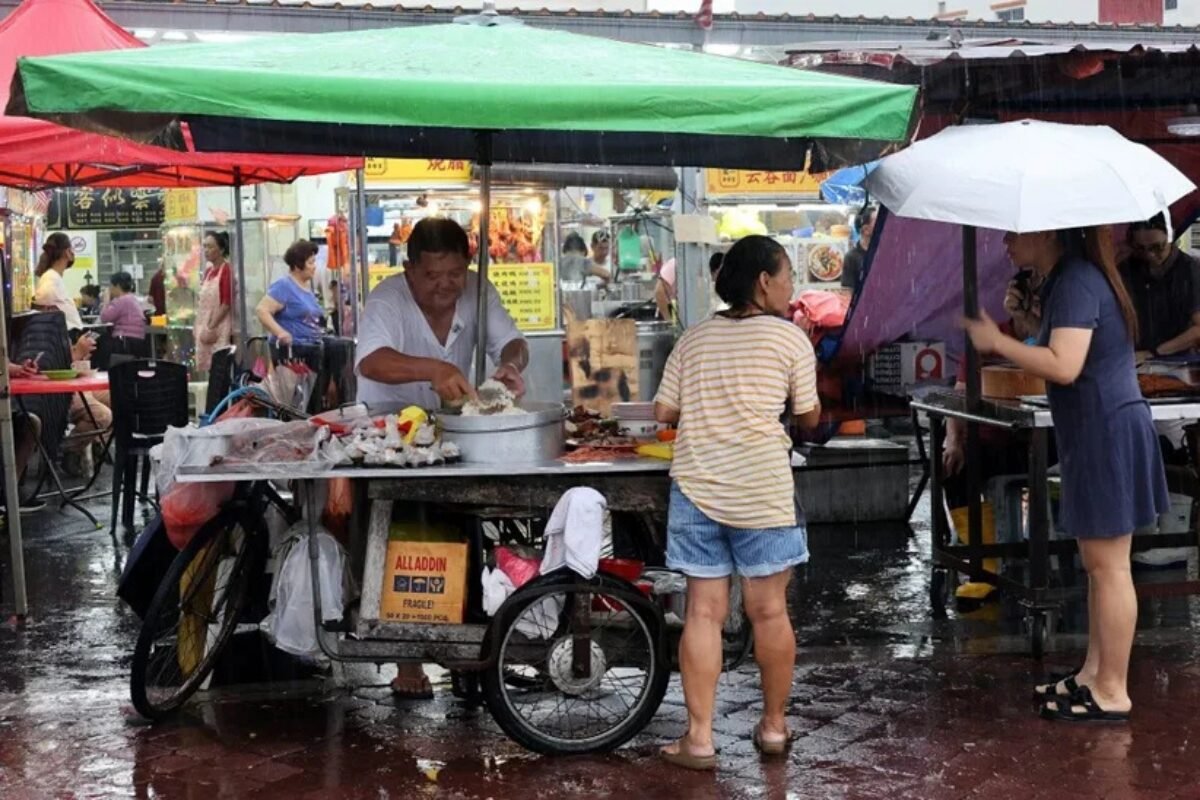
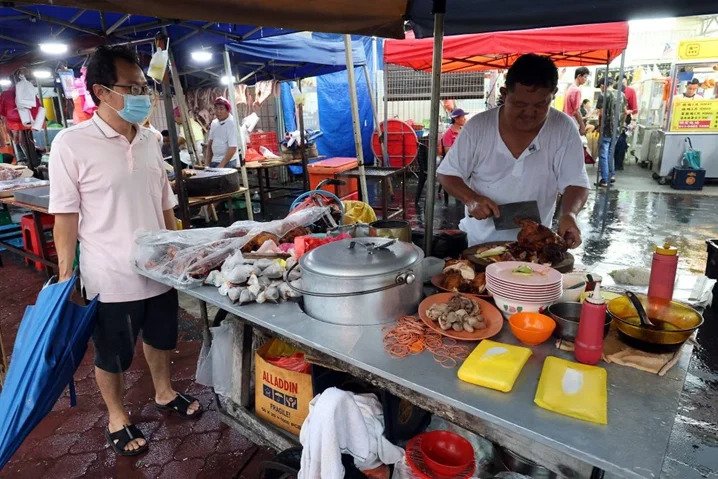
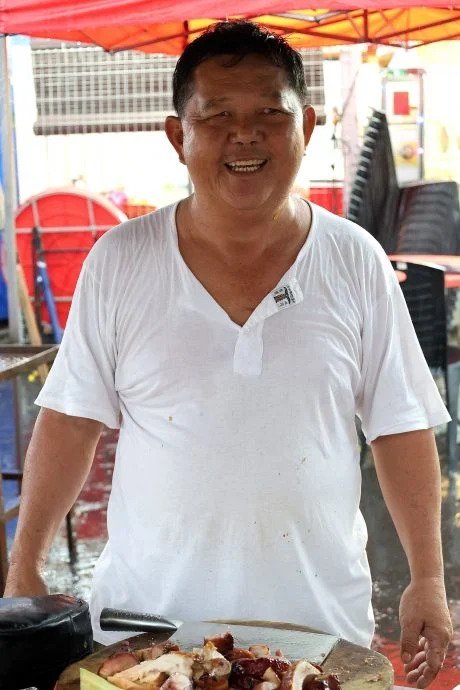
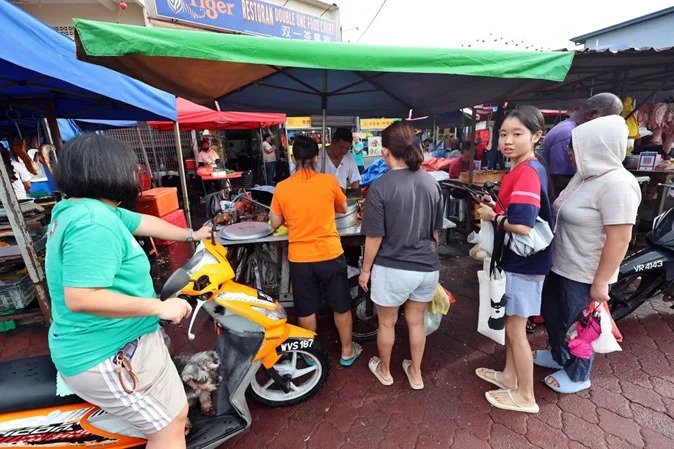
KAJANG, Selangor – For nearly four decades, a humble chicken rice stall operating from a tricycle near the Cheras 11th mile morning wet market has been supplying local residents with affordable meals. Tan Leong Soon, in his sixties, has held to a consistent pricing strategy despite fluctuating economic conditions. Currently, a pack of chicken rice is sold at RM4, a price that he has kept stable for the past three to four years despite inflation and increasing ingredient costs. Tan, who has been operating his business for 37 years, only takes a break on Mondays or when attending personal matters.
Daily Routine Reflects Deep Community Connection and Efficient Service
Tan’s chicken rice stall is often simply referred to as the tricycle chicken rice stall by the Chinese new villagers of Kajang and surrounding areas such as Seri Kembangan and Batu Caves. Despite rising food prices in Malaysia, his pricing remains accessible and reflects his commitment to serving the local community rather than focusing on large profits. When he first started selling chicken rice, the price was 60 sen per packet, illustrating decades of modest price increases aligned with cost pressures.
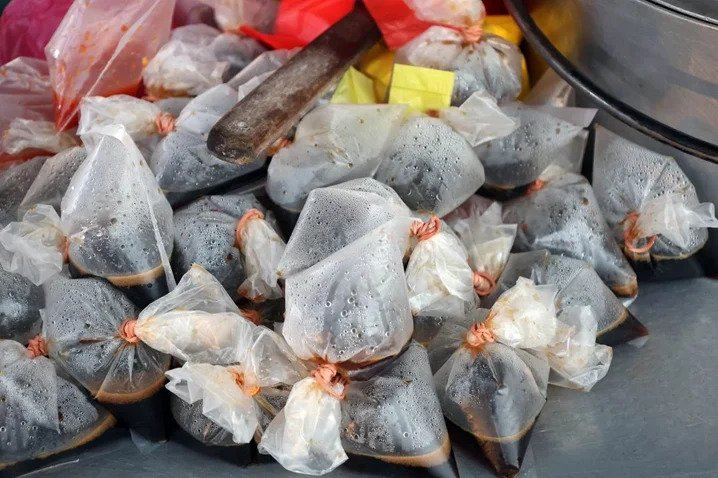
Customers at the stall experience rapid, customised service; long-time regulars are known well enough for Tan to prepare their orders even before they arrive. His efficient workflow involves selecting roasted chicken portions, chopping them swiftly, slicing cucumbers, spooning rice, drizzling sauce, and packaging the meal within approximately 15 seconds. He is known to accommodate preferences such as adding chilli sauce on top or packing extra on the side, highlighting his attention to customer tastes. Conversation with patrons is also part of the experience, conducted fluently in several dialects including Mandarin, Cantonese, Hokkien, Hakka, and Malay.
Price Stability Serves as a Pillar for Local Customers Amid Economic Uncertainty
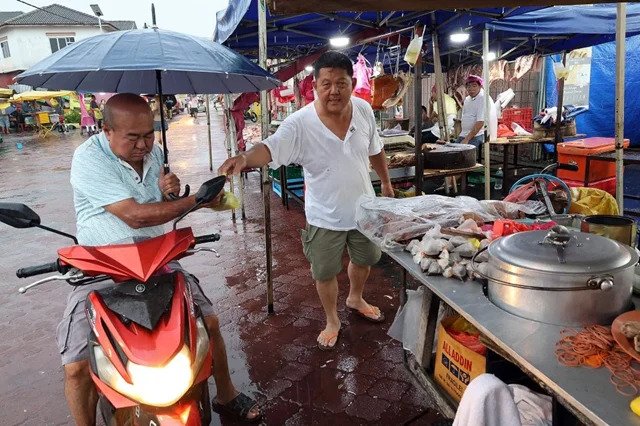
Officially, there are no formal stalls or permanent business premises associated with Tan’s operation, which functions entirely from a tricycle at the wet market in Kajang. While some may expect a business of this duration to have transitioned into a more formal retail setup such as a coffee shop or store, Tan attributes his choice to maintain mobility and flexibility. He holds various jobs aside from selling chicken rice, which allows him to pause sales if necessary. Renting a permanent shop would impose fixed costs and reduce his operational autonomy.
Sources familiar with Tan’s business note that customers generally prepare exact cash payments in advance, facilitating swift transactions without reliance on modern payment methods such as e-wallets or QR codes. This exchange pattern reduces service time and allows Tan to serve a substantial volume of customers daily—chopping at least five whole roasted chickens every day during peak periods. The persistent stream of customers, even during rain or inclement weather, illustrates the stall’s importance to the neighborhood.
Community Feedback Reflects Appreciation for Long-Term Value and Accessibility
Community members and regular customers have expressed consistent support for Tan’s pricing and service. One local resident, Madam Tong, observed that many in the new village recognize and appreciate the chicken rice for its nostalgic value linked to memory and tradition. Her in-laws are regular customers, often requiring multiple packets for their breakfast, highlighting the stall’s role as a communal food source.
Another customer, Mr. Pan, shared that he has patronised the stall for over three decades, praising the value for money and quality despite the low prices. He advised that judgment of the food quality should not be based only on price but also on actual taste. Mr. Lee, a longstanding customer since the stall’s inception, noted that Tan’s commitment to maintaining affordable pricing has been beneficial to villagers and expressed understanding that price adjustments might become necessary if costs keep rising.
Increased Cost Pressures Could Prompt Modest Price Adjustments in the Future
According to Tan, the rising cost of raw materials due to inflation remains a key concern for his business sustainability. Although he has managed to keep the price stable at RM4 for several years, he acknowledged that a modest price increase could be unavoidable if upward trends continue. For example, while the standard chicken rice packet remains priced at RM4, a pack with chicken drumstick is sold at RM4.40. Char Siew rice is also priced uniformly at RM4 per packet.
From an industry perspective, maintaining low prices in a small-scale, mobile food business is uncommon given the inflationary environment Malaysia is experiencing. Yet, stalls like Tan’s exemplify the ongoing challenges and adaptive measures in informal food service sectors, balancing customer needs, and operational costs without reliance on technology-based payment systems or fixed premises.
Overall, the stall in Kajang continues to serve as a critical food source and social touchpoint for residents, contributing to the local economy and community well-being. Should operational costs continue to rise, price adjustments appear likely but are expected to remain measured considering the long-standing customer relationships and community expectations.
Location: Kajang
Date: 2025-12-16